Air travel has evolved significantly over the years, offering passengers a wide range of services designed to enhance comfort and convenience. But, not all flights provide the same experience. The length of a journey plays a major role in shaping what travelers can expect onboard. Short and long domestic routes differ in various aspects, including seating, meals, entertainment, and overall service quality. It is helpful to know these differences so that travelers can have realistic expectations and choose flights that best suit their needs.
Differences in Seating Comfort and Space
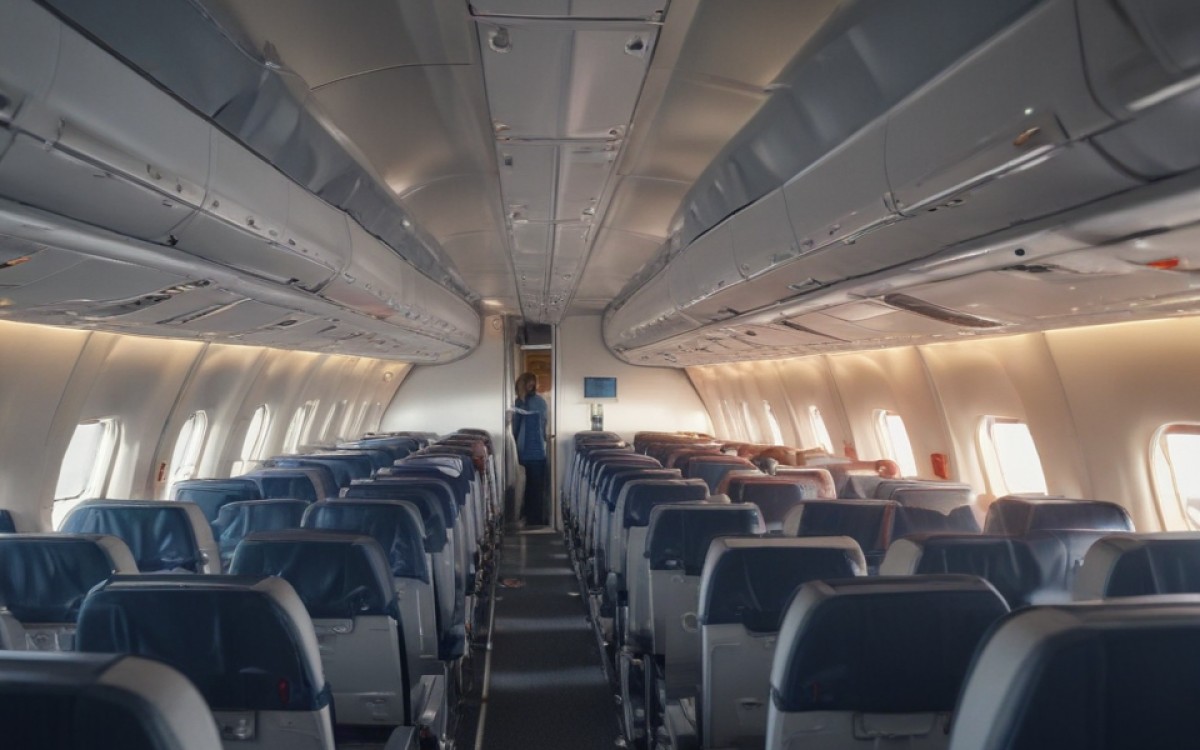
Seating is one of the most noticeable differences between short and long domestic routes. On shorter flights, airlines typically prioritize efficiency and quick turnaround times. Seats are often designed for basic comfort, with limited recline and minimal legroom. Since the flight duration is brief, these features are usually sufficient for most travelers.
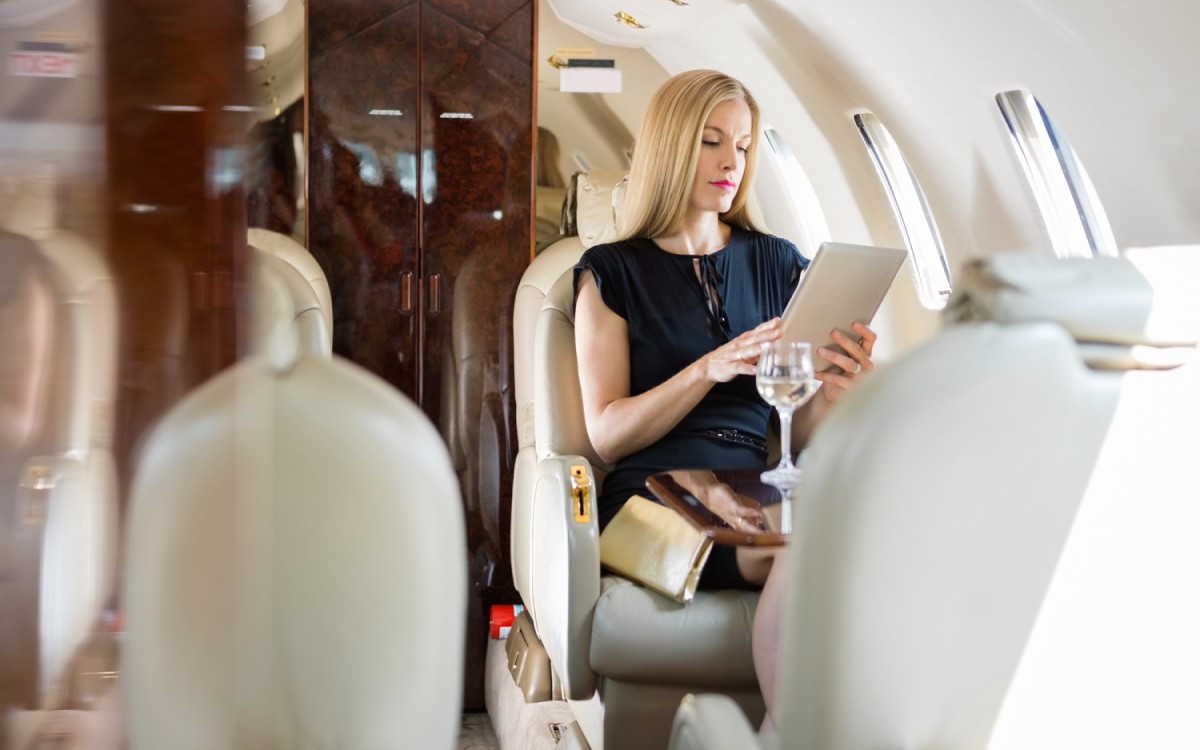
On longer domestic routes, airlines tend to offer more comfortable seating arrangements. Passengers may find seats with better cushioning, increased legroom, and enhanced recline options. Some airlines also provide premium seating classes, such as extra-legroom economy or business class, which significantly improve the travel experience. The extended duration makes these additional features more valuable for maintaining comfort throughout the journey.
Variation in Meal and Beverage Services
Meal service is another area where differences are clearly visible. Short domestic flights often provide limited or no meal options. Passengers may receive light snacks or beverages, depending on the airline and fare type. In many cases, food is available for purchase rather than included in the ticket.
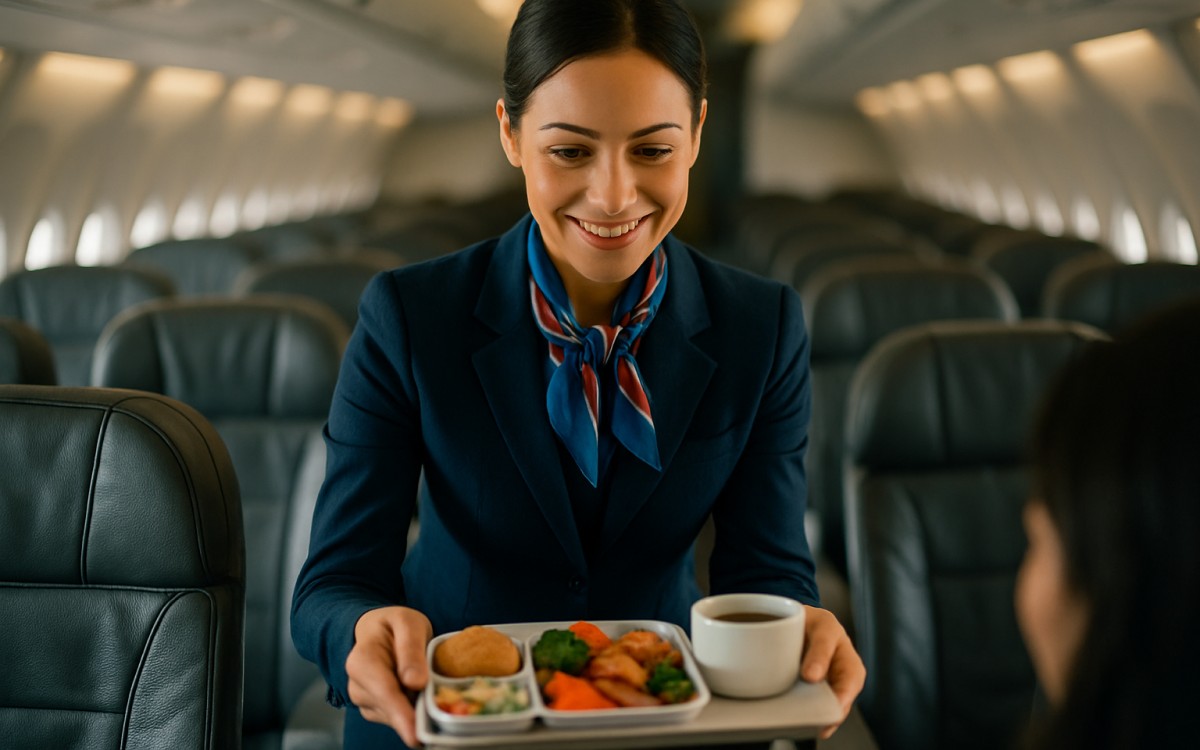
In contrast, longer domestic flights are more likely to include complimentary meals or more substantial snack options. Airlines may offer a selection of meals, including special dietary choices if requested in advance. Beverage services are also more frequent on longer routes, ensuring passengers remain refreshed throughout the flight. The increased service level reflects the need to accommodate passengers during extended travel times.
In-Flight Entertainment Options
Entertainment offerings vary significantly based on flight duration. Short routes typically have limited or no in-flight entertainment systems. Passengers often rely on personal devices such as smartphones or tablets to pass the time. Some airlines may provide basic streaming services that can be accessed through onboard Wi-Fi.
Long domestic flights usually feature more comprehensive entertainment options. These may include seatback screens, a wide selection of movies and television shows, music libraries, and games. In addition, onboard Wi-Fi is more commonly available and may offer better connectivity for browsing or streaming. These features help passengers stay engaged and comfortable during longer journeys.
Differences in Cabin Crew Service
Cabin crew service tends to be more streamlined on short flights due to time constraints. Flight attendants focus on essential safety procedures and quick service delivery. Interactions with passengers are often brief but efficient, ensuring that all necessary tasks are completed within the limited timeframe.
On longer routes, cabin crew members have more time to provide attentive and personalized service. They can respond to passenger requests, offer additional refreshments, and ensure overall comfort. The extended duration allows for multiple service rounds, creating a more relaxed and accommodating atmosphere onboard.
Boarding and Deplaning Efficiency
Short domestic flights emphasize speed and efficiency in boarding and deplaning processes. Airlines aim to minimize ground time to maintain tight schedules. Passengers may notice quicker boarding procedures and less time spent settling into their seats.
For longer flights, the boarding process may be more organized and structured. Airlines often use priority boarding for premium passengers and those requiring special assistance. Deplaning may also take longer due to the larger number of passengers and additional carry-on luggage. These differences reflect the varying operational priorities between short and long routes.
Baggage Allowance and Policies
Baggage policies can differ depending on the length of the route and the airline’s service model. On short domestic flights, especially those operated by budget carriers, baggage allowances may be more restrictive. Passengers are often encouraged to travel light, with additional fees for checked luggage.
Longer domestic routes may offer more generous baggage allowances, particularly in higher fare classes. Airlines recognize that passengers on extended journeys are more likely to carry additional सामान. This flexibility helps accommodate the needs of travelers who may be away from home for longer periods.
Cabin Ambience and Amenities
The overall cabin environment also varies between short and long flights. On shorter routes, the focus is on practicality and efficiency. Amenities such as blankets, pillows, and amenity kits are rarely provided, as they are not typically necessary for brief journeys.
Long domestic flights often include additional amenities to enhance passenger comfort. Airlines may provide blankets, pillows, and even basic amenity kits in certain classes. Lighting and cabin temperature are also adjusted to create a more relaxing atmosphere, especially on flights that extend into evening hours.
Ticket Pricing and Service Inclusions
Ticket pricing structures reflect the level of service provided on different routes. Short flights generally have lower base fares but may charge extra for add-ons such as meals, seat selection, and baggage. This allows travelers to customize their experience based on their preferences and budget.
Long domestic flights usually include more services in the ticket price. While fares may be higher, they often cover meals, entertainment, and additional baggage allowances. This bundled approach provides better overall value for passengers seeking a more comfortable and inclusive travel experience.
Passenger Expectations and Travel Experience
Passenger expectations naturally differ depending on flight duration. On short routes, travelers typically prioritize convenience and affordability. They expect a quick and efficient journey with minimal frills.
For longer domestic routes, passengers tend to place greater importance on comfort and service quality. They expect a more comprehensive experience that includes meals, entertainment, and attentive service. Airlines adjust their offerings accordingly to meet these expectations and maintain customer satisfaction.
Impact of Aircraft Type on Services
The type of aircraft used for a flight can influence the range of services available. Short domestic routes are often operated by smaller aircraft designed for efficiency and frequent takeoffs and landings. These planes may have limited space for additional amenities.
Longer routes are more likely to use larger aircraft equipped with advanced features. These planes can accommodate in-flight entertainment systems, larger galleys for meal preparation, and more spacious seating arrangements. The choice of aircraft plays a key role in shaping the overall passenger experience.
Frequency of Service and Route Demand
Short domestic routes typically operate with higher frequency, offering multiple flights throughout the day. This allows travelers to choose convenient departure times but may result in more standardized services.
Long domestic routes may have fewer daily departures, but they often provide enhanced services to attract passengers. Airlines focus on delivering a more comfortable and enjoyable experience to justify the longer travel time and higher ticket cost.
Role of Airline Branding and Service Strategy
Airlines differentiate themselves through their approach to in-flight services. Some carriers emphasize low-cost travel with minimal inclusions, particularly on short routes. Others focus on providing a premium experience, even on domestic flights.
On longer routes, airlines are more likely to showcase their full range of services. This includes upgraded seating options, improved meal quality, and enhanced entertainment systems. The goal is to create a positive impression and encourage repeat business.
In-flight services vary significantly between short and long domestic routes, reflecting differences in duration, passenger needs, and operational priorities. Short flights focus on efficiency and basic comfort, while longer routes offer a more comprehensive and enjoyable experience. By understanding these distinctions, travelers can make informed decisions and select flights that align with their expectations. A clear awareness of what each type of route offers ensures a smoother and more satisfying journey from departure to arrival.