How Airlines Handle Seat Selection, Upgrades, and Add-On Services
A flight is rarely just about getting from one place to another. Once a ticket is booked, a quiet set of choices begins to shape the journey. Where one sits, how much space is available, and which extras are included are all part of a carefully designed system. These options are not placed randomly. They are structured to offer flexibility while keeping operations smooth. By understanding how these elements work together, a clearer picture is formed of how comfort, convenience, and cost are balanced before take-off.
How seat selection comes together behind the scenes
The seat map as a living system
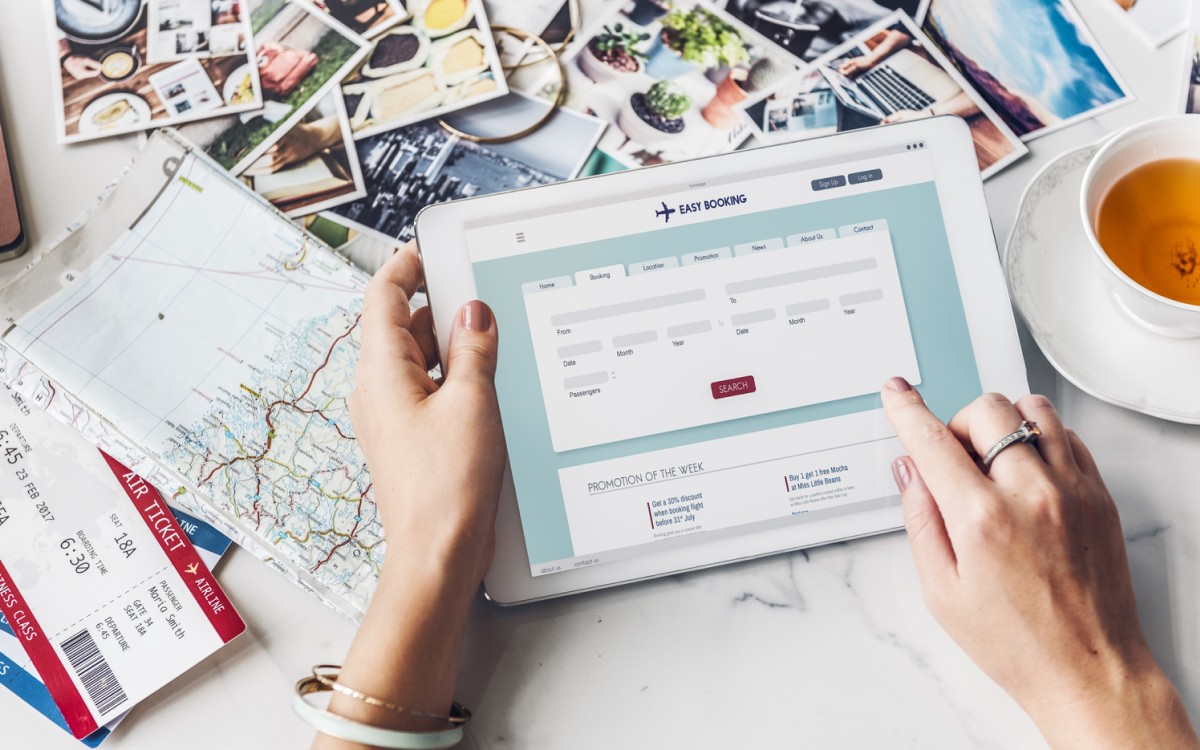
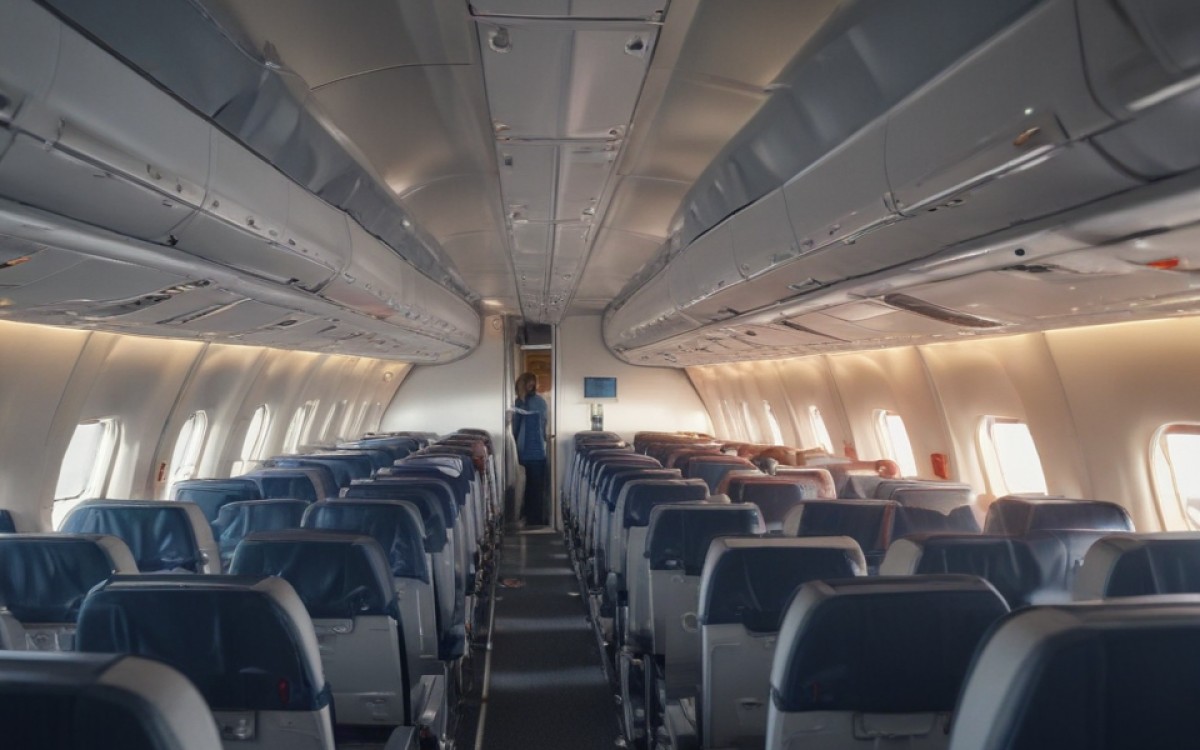
Inside every booking flow, a digital cabin quietly comes to life. A seat map is displayed, showing rows, spacing, and availability in real time. As other passengers make selections, the layout keeps changing. It behaves like a shared space rather than a fixed plan. Availability is updated instantly. Seats that were open moments ago may no longer be visible, while others may appear later as restrictions are lifted.
The logic behind who gets which seat
Fare conditions and internal rules guide access to seats. Some tickets allow early selection without additional cost, while others limit access or require payment for preferred spots. Passenger distribution also plays a role—aircraft balance and safety requirements influence which seats are released first. If no selection is made, the system assigns a seat at check-in, prioritising efficiency over comfort.
How fare types shape what is included
More than just cabin categories
Fare classes do more than separate economy from premium cabins. Within each cabin, multiple fare levels exist, each offering a slightly different experience. Higher fare levels often include benefits such as early seat selection and flexibility. Lower fares separate these features, offering them as optional additions.
Access, flexibility, and hidden value
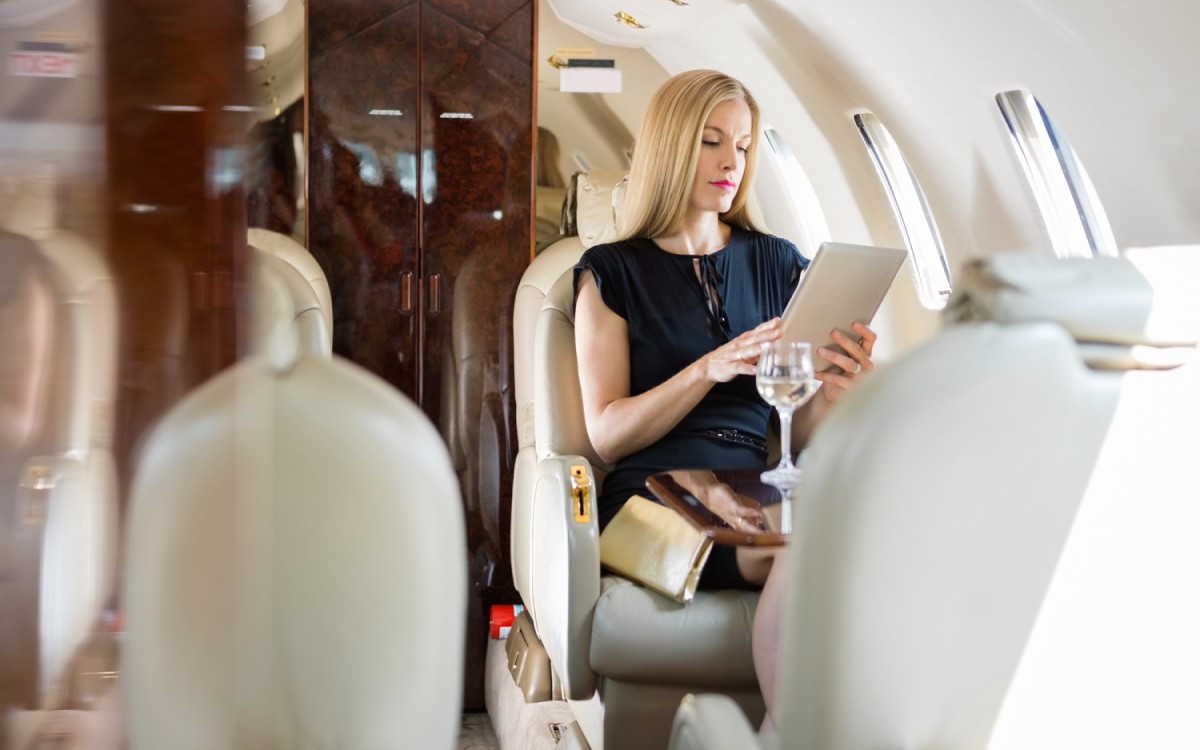
Seats near the front or in exit rows are considered more valuable. These are either reserved for higher fare categories or sold separately. The value lies in convenience, such as quicker boarding or extra space. Loyalty programmes add another layer. Frequent travellers may receive access to better seats or services without additional cost, depending on their status.
How upgrade decisions are quietly made
Availability and timing at the centre
Upgrades follow a structured process. Availability in higher cabins is monitored continuously. As departure approaches, decisions are made on whether to release these seats. Timing matters! Early requests are often prioritised, especially when linked to higher fare types or loyalty tiers.
The role of priority and pricing
Multiple factors shape eligibility. Fare type, travel history, and request timing all influence who is considered first. Pricing is not fixed. If demand remains strong, upgrade costs may stay high. If seats remain empty, reduced offers may appear. In some cases, upgrades are used to manage overbooked cabins, ensuring smooth operations rather than offering a guaranteed benefit.
How add-ons quietly build the travel experience
Breaking down what add-ons include
Add-ons extend beyond the basic ticket. These include baggage allowances, meal selection, priority services, and lounge access. Each option is in addition to the base fare. This structure allows passengers to choose only what is needed, creating a more personalised journey.
Why are services unbundled?
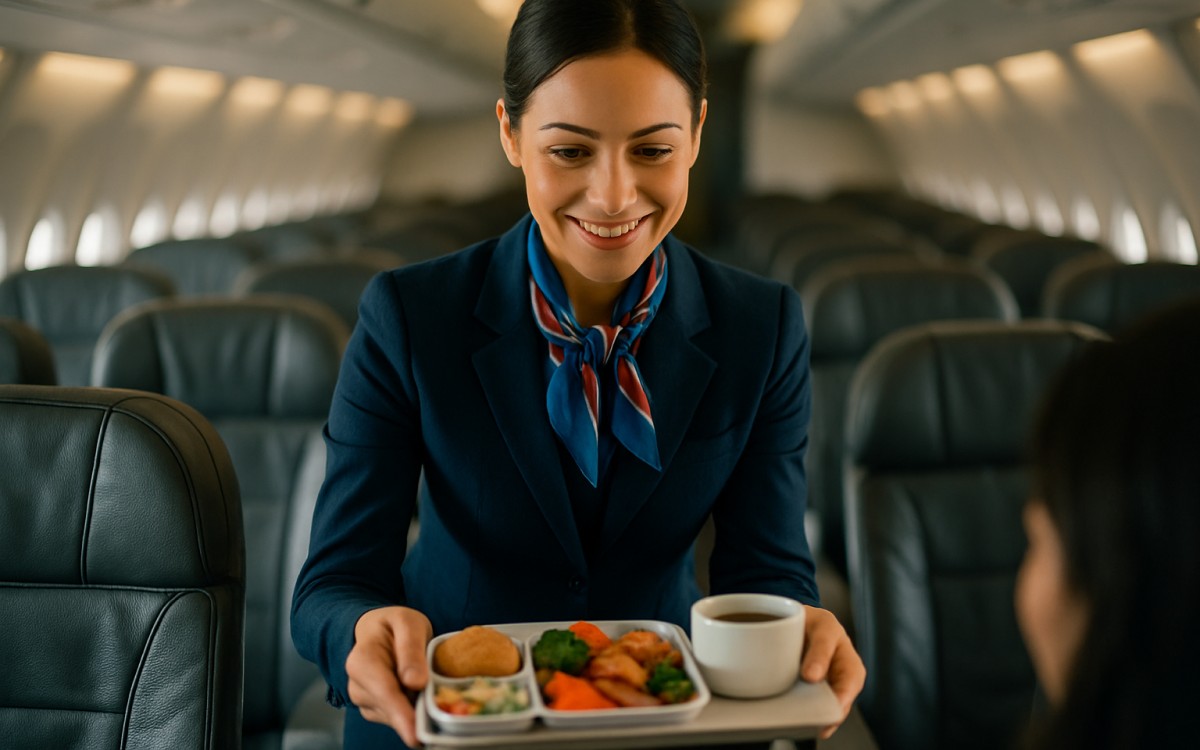
Unbundling keeps base fares lower while offering flexibility. Travellers who prefer simplicity can keep costs minimal, while others can build a more comfortable experience step by step. Meal services follow this pattern. Some fares include standard meals, while others require pre-selection. Special meals are available but must be arranged in advance.
How timing quietly influences pricing
Early decisions and cost advantages
Timing plays a strong role in pricing. Add-ons are usually more affordable when selected during booking. As departure gets closer, prices tend to increase. Baggage fees, for example, are often lower when booked in advance compared to airport charges.
Demand-driven pricing in action
Dynamic pricing is applied to many services. As demand increases, prices rise. If availability remains, targeted offers may appear, especially during check-in. These adjustments happen automatically. The system responds to real-time conditions, balancing demand with remaining capacity.
How technology keeps everything moving
Systems working in real time
Modern booking systems operate continuously. Availability is tracked, and pricing is adjusted based on demand patterns. Algorithms analyse behaviour. If a flight is filling quickly, fewer discounted options are offered. If demand is slower, more flexibility is introduced.
Personalisation through data
Mobile platforms and booking portals make it easier to access and modify choices. Updates can be made at any stage, from booking to check-in. Integration with loyalty programmes allows personalised suggestions. Offers are shaped by past travel behaviour, making the experience feel more tailored.
How check-in brings final adjustments
Last-minute changes and allocations
Check-in acts as the final stage where adjustments are made. Remaining seats are assigned, and any unselected options are finalised. Passengers who did not choose seats earlier may receive assignments based on what is available at that moment.
Upgrade opportunities and limited choices
Upgrade offers often appear during check-in. These are influenced by remaining capacity and are usually time-sensitive. Availability becomes more limited at this stage. Quick decisions may improve the chances of securing better seats or added services. Airport staff may assist with specific needs, such as seating families together, adding a human touch to automated systems.
How operations quietly influence every decision
Balancing safety and comfort
Aircraft operations involve more than passenger preferences. Weight distribution across the aircraft is carefully managed. This affects how seats are allocated. Some seats may remain unavailable until balance requirements are met.
Managing overbooking and logistics
Overbooking is used to ensure flights operate at full capacity. When more passengers arrive than expected, adjustments are made through reassignments or upgrades. Crew requirements and service logistics also influence availability. Certain seats may be reserved for operational use and released only when needed.
How these choices can be navigated with clarity
Planning ahead for better outcomes
Understanding these systems allows better decisions to be made. Early seat selection often provides more options, while monitoring upgrades can reveal better value. Reviewing fare conditions helps in selecting the right balance between cost and flexibility.
Staying aware of changing options
Add-ons are best selected early for better pricing and availability. Notifications and updates can highlight new opportunities. As conditions change quickly, staying informed helps in making timely choices that shape the overall experience.
Every journey is shaped by a series of structured choices. Seat selection, upgrades, and add-on services are all part of a system designed to balance flexibility with efficiency. While these processes may appear simple on the surface, they are guided by availability, timing, and operational needs. By understanding how these elements interact, a more informed approach can be taken. Through this layered system, airlines create travel experiences that can be adjusted to suit different preferences, all before the aircraft leaves the ground.