There is a certain kind of traveller who treats the airport like a second office. The boarding pass is pulled up before the gate is announced, the preferred seat is already locked in, and the lounge is a familiar stop rather than an occasional treat. For this traveller, airline membership programmes are not a perk. They are infrastructure. Corporate and business travel operates on a different set of expectations from leisure flying. Schedules are tighter, the cost of disruption is higher, and comfort is not indulgence but a condition for staying productive.
This is the environment in which airline membership programmes prove their worth, quietly smoothing out the friction that comes with frequent flying and giving businesses and their people a more reliable experience on the road.
How Airline Membership Programmes Work
The Points and Miles Model
At the foundation of most airline membership programmes is a straightforward earn-and-redeem model. Every eligible flight taken with a carrier generates points or miles, which are credited to the member’s account and build up over time. These can then be redeemed against a range of travel benefits, from seat upgrades and future flight bookings to lounge day passes and partner services such as hotel stays or car hire. For a business traveller flying multiple times a month, the balance accumulates quickly, and the redemption options become genuinely useful rather than theoretical.
Many airlines also allow points to be earned beyond flights, through credit card partnerships, hotel stays, and ground transport. This means the balance grows even during periods when travel is lighter, keeping the membership active and the rewards within reach.
Membership Tiers and How They Are Reached
Most programmes are structured around a tiered system, with entry-level membership sitting at the base and elite or premium status reserved for the most frequent flyers. Tiers are typically determined by the number of flights taken, the distance covered, or the amount spent on fares within a set membership period. Once a threshold is crossed, the member is moved into the next tier and enjoys its associated benefits for the remainder of that cycle.
For corporate travellers, reaching the mid and upper tiers is very achievable, and this is where the programme starts to deliver its most meaningful advantages. The strategy for getting there faster is straightforward: concentrate travel with one airline rather than spreading bookings across several carriers. Consolidating in this way builds status more quickly and unlocks better returns sooner.
Key Benefits for Business Travellers
Priority Services at Every Stage
Time is the resource that business travellers can least afford to lose. Membership programmes are built with this in mind. Priority check-in reduces time spent in queues. Priority boarding means the cabin is boarded early, the overhead bin space is secured, and there is time to settle in before the rush. On busy routes where flights run frequently, elite status can also make it possible to move onto an earlier departure when plans change at short notice, a flexibility that is rarely extended to standard passengers.
These advantages may seem modest in isolation, but across a year of regular travel, they add up to a measurable reduction in the stress and inefficiency that comes with frequent flying.
Lounge Access as a Working Environment
One of the most consistently valued benefits of higher-tier airline membership is access to business lounges. The contrast with the main terminal is significant. Lounges offer reliable Wi-Fi, quieter surroundings, comfortable seating, and the kind of environment in which it is actually possible to focus. For a traveller with a morning flight and a full client day ahead, the time spent in a lounge before boarding is often more productive than time spent at a desk.
Some airlines have invested considerably in their lounge facilities, with dedicated workspaces, private areas for calls, and food and beverage provisions that remove the need to factor in a meal stop. The lounge is not a luxury add-on. For a business traveller, it is a functional extension of the working day.
Seat Upgrades and Comfort on Longer Routes
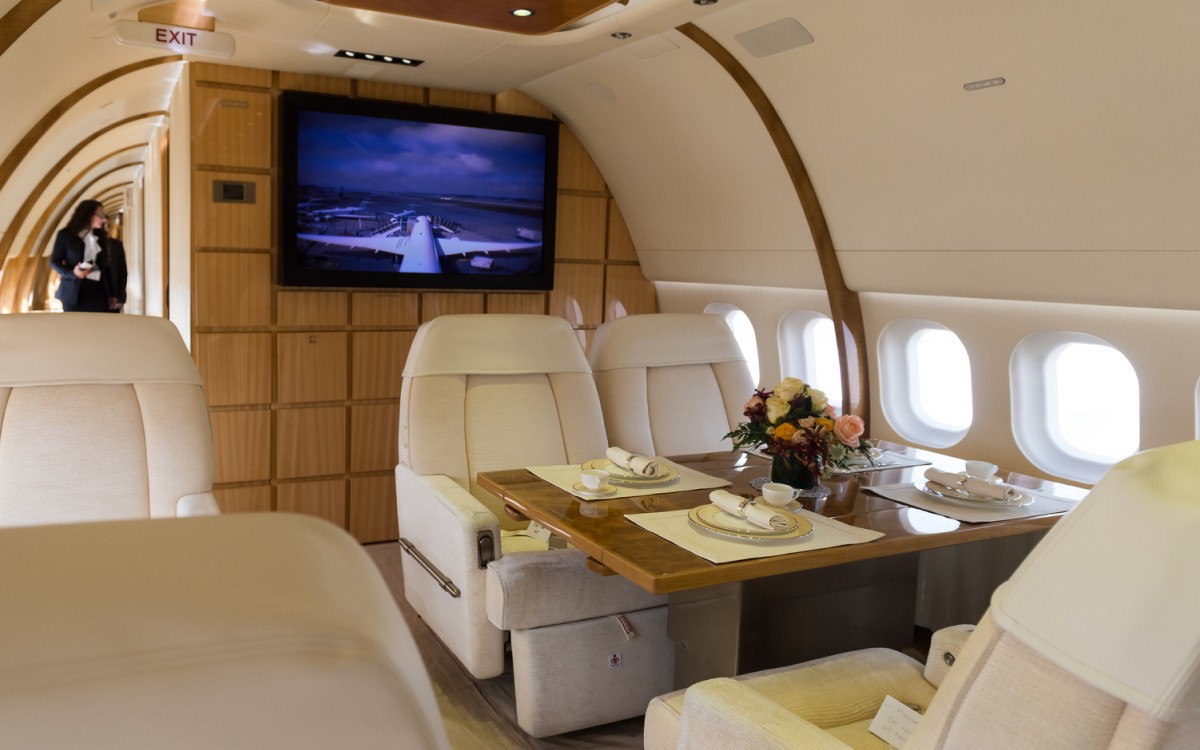
On shorter domestic routes, seat differences matter less. On longer hauls, the cabin class can have a direct impact on how a traveller arrives at the destination. Higher membership tiers typically come with complimentary or discounted upgrade opportunities, allowing business travellers to access premium cabins more regularly without paying full business class fares. Arriving well-rested and comfortable before a demanding schedule is not a small thing, and membership programmes make it more accessible than it would otherwise be.
Flexible Rebooking and Waived Fees
Business plans are rarely fixed. A meeting gets rescheduled, a trip is extended, or an urgent situation requires an earlier return. Standard fare conditions are often rigid, and change fees can be significant. At higher membership tiers, most airlines offer more generous rebooking policies, reduced or waived change fees, and in some cases, access to fully flexible fares that can be adjusted without any penalty at all. For businesses where agility matters, this flexibility is a practical and financial benefit rolled into the membership itself.
Corporate Accounts vs Individual Memberships
What Corporate Accounts Offer
Individual frequent flyer memberships sit with the traveller personally. The points accumulate in their name, and the benefits follow them. Corporate account programmes work differently. These are agreements made directly between an airline and a business, with rewards flowing back to the company rather than to individual employees. Benefits at the corporate level typically include negotiated fare discounts, consolidated billing, detailed reporting on travel spend, and, in many cases, a dedicated account manager who can handle queries and negotiations on behalf of the business.
For larger organisations with significant travel volumes, a corporate account can deliver meaningful cost savings alongside improved visibility into how the travel budget is being used.
Finding the Right Balance
The two models are not mutually exclusive. Many businesses run corporate accounts while also encouraging employees to maintain their individual frequent flyer memberships with the same airline. This way, the company benefits from preferential pricing and reporting, while individual travellers continue to build their own tier status and personal benefits. Some airlines actively support this arrangement, allowing personal and corporate rewards to be earned simultaneously on the same booking.
The Role of Alliance Networks
A significant number of the world’s major airlines belong to global alliance networks, and this is worth factoring into any corporate membership decision. Membership benefits with one carrier frequently extend across its alliance partners, meaning points can be earned and redeemed on partner airlines, and lounge access may be available even when flying with a carrier other than the primary one.
For businesses whose teams travel across multiple regions and a variety of routes, this network effect adds considerable reach to a single membership programme. Rather than accumulating small, disconnected balances across several carriers, the travel of the whole team contributes to a single programme with far broader utility.
Getting the Most Out of Membership
The difference between a membership that sits unused and one that genuinely benefits a business comes down to a few consistent habits. Bookings should always be made through the correct channel to ensure points are captured. All travelling employees should be registered under the corporate account. Redemptions should be planned before points expire, since unused balances are a quiet drain on value that often goes unnoticed.
For businesses with regular travel needs, appointing someone internally to manage the airline relationship, track the account, and communicate programme updates to the team is a small investment that tends to pay off. The programme does the heavy lifting. It simply needs to be used with a bit of intention to deliver what it is designed to.