Planning a trip by air is exciting, but baggage rules can feel confusing. This guide walks you through the key baggage allowance rules for domestic and international flights so you can pack confidently, avoid extra fees and move smoothly through the airport.
Why Baggage Rules matter
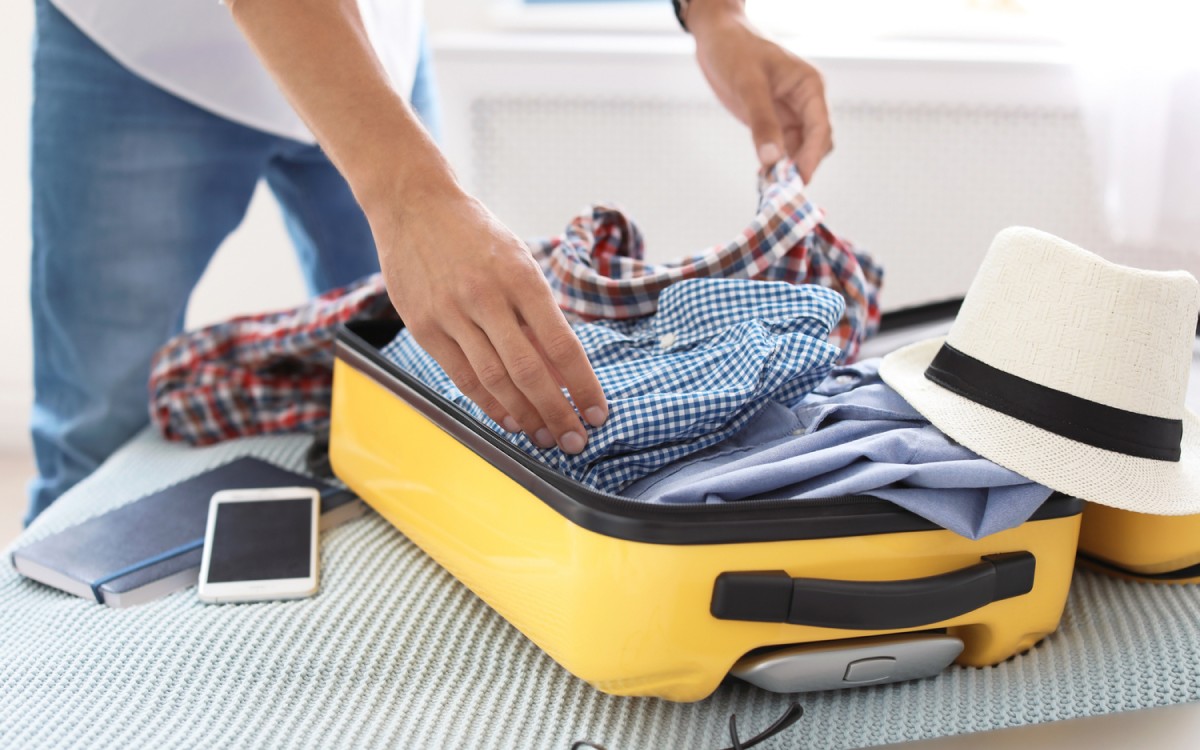
You interact with baggage rules at every stage of the journey: packing at home, check in at the airport, security checks and boarding. Clear awareness of size and weight limits helps you:
- Avoid last‑minute repacking at the check‑in counter.
- Save money on excess baggage fees.
- Keep valuables and essentials safely in your cabin bag.
- Comply with security rules and reduce the risk of delays.
Think of baggage rules as part of your travel planning, similar to checking your visa or hotel booking.
Key Baggage Terms You Should Know
Before diving into domestic and international rules, it helps to understand some common terms used by airlines.
- Cabin baggage/hand baggage: The small bag you carry with you into the aircraft cabin and placed in the overhead bin or under the seat in front.
- Checked baggage: Larger bags you hand over at check in, which are carried in the aircraft hold and collected from the baggage belt at your destination.
- Personal item: A smaller item such as a laptop bag, handbag or small backpack that may be allowed in addition to your cabin bag, depending on the airline.
- Piece concept: Your allowance is defined by the number of bags, each with a maximum weight and size, such as “2 pieces of 23 kg each.”
- Weight concept: Your allowance is defined only by total weight, such as “20 kg total,” regardless of how many bags you use, within size limits.
- Linear dimensions: The sum of length, width and height of a bag, often used to define maximum size.
These terms appear on tickets, booking confirmations and airline websites, so being familiar with them makes the fine print easier to decode.
Cabin Baggage Rules: Domestic Flights
Cabin baggage rules for domestic routes are usually stricter because overhead space is limited, particularly on narrow‑body aircraft.
Typical patterns you will see include:
- One cabin bag per passenger, often in the range of 7–8 kg for economy class.
- Standard size near 55 cm x 35–40 cm x 20–25 cm, including wheels and handles.
- One additional small personal item such as a laptop bag or handbag, if permitted by the airline.
- Stricter enforcement during peak seasons and at busy airports, where security lines are longer.
When packing your cabin bag:
- Place valuables, electronics, medicines, travel documents and one set of clothes in hand baggage.
- Keep power banks, laptops and cameras in cabin baggage, not in checked baggage, as required by safety regulations.
- Avoid packing restricted items such as sharp tools, lighters, large bottles of liquid, certain batteries and flammable products.
Always check your booking for the exact cabin allowance, as even on the same route, different fare types can give you different entitlements.
Cabin Baggage Rules: International Flights
International cabin baggage rules follow the same basic logic but may vary more by route and cabin class.
You will often find:
- Economy travellers allowed 7–10 kg of cabin baggage, with premium cabins receiving slightly more.
- Strict screening of liquids: containers usually limited to 100 ml each, carried in a transparent, resealable plastic bag, with a total volume limit for the bag.
- Special rules for duty‑free liquids bought after security, which you should keep sealed with the receipt until you reach your final destination.
- Separate allowances for infants, sometimes including a small cabin bag for baby essentials.
For long‑haul flights, bring items that improve comfort: a light jacket, neck pillow, basic toiletries within liquid limits, and snacks that comply with security and destination customs rules. Be mindful that some countries restrict certain food items from being brought in, even in cabin baggage.
Checked Baggage Rules: Domestic Flights
On domestic routes, checked baggage allowances are strongly linked to your ticket type and the airline’s pricing model.
Common patterns include:
- Economy “lite” or basic fares: Either no checked baggage or a small allowance, sometimes as low as 15 kg.
- Standard economy: Around 15–20 kg of checked baggage included.
- Premium cabins: Higher limits, sometimes 30–35 kg or two pieces with separate weight caps.
- Student, senior citizen or corporate fares: Occasionally include extra baggage as a benefit, when booked under specific schemes.
For checked baggage on domestic routes:
- Check the weight of each individual bag, not just the total. Many airlines refuse to accept any single bag above 32 kg for safety reasons, even if your total allowance is higher.
- Make sure your bag’s size falls within the airline’s limits for linear dimensions. Oversized bags may attract extra charges or need special handling.
- Attach a sturdy baggage tag with your name, phone number and destination address to every bag.
If you know you will travel with heavy luggage, it often works out cheaper to pre‑purchase additional baggage online instead of paying at the airport.
Checked Baggage Rules: International Flights
International checked baggage rules vary widely by route, cabin class and the airline’s policy. On many long‑haul routes you will see a piece concept, especially for journeys involving North America, while routes within Asia or to the Middle East may use a weight concept.
Typical features include:
- Economy class: One or two checked bags, each in the range of 20–23 kg, or a total weight allowance around 20–30 kg.
- Premium economy and business class: Higher limits, such as two or more pieces at 23–32 kg each, or a larger total weight allowance.
- First class: The most generous allowances, with multiple pieces permitted up to 32 kg each.
- Maximum per bag: Usually capped at 32 kg for safety; bags heavier than this may have to be repacked or shipped as cargo.
- Size limits: Commonly around 158 cm in linear dimensions per bag for standard checked baggage.
If your international trip involves multiple airlines under one booking, the “most significant carrier” rule or an alliance agreement may apply, meaning one airline’s baggage policy can cover the whole journey. You should always read the baggage section of your e‑ticket to know which rules apply for each leg.
Special Baggage: Sports Gear, Musical Instruments, and More
Most airlines have separate policies for special baggage. If you travel with anything unusual, you should check in advance to avoid surprises.
Common categories include:
- Sports equipment: Golf bags, skis, snowboards, bicycles and surfboards. Some are allowed as part of your standard allowance if they fit within size and weight limits, while others may attract a fixed handling fee.
- Musical instruments: Small instruments can sometimes travel as cabin baggage if they fit safely in the overhead locker, but larger pieces may need a paid extra seat or special handling as checked baggage.
- Fragile or high‑value items: Many airlines advise you not to check in delicate electronics, jewellery or important documents, as standard baggage liability is limited.
- Medical equipment: Items such as portable oxygen concentrators or specialised devices usually require prior approval and supporting documents.
Always inform the airline in advance if you are travelling with special items, particularly on international flights where both security and customs rules may be stricter.
Excess Baggage and How to Avoid It
If your bags exceed the permitted allowance in weight, size or number, you will have to pay excess baggage fees at the airport. These charges can be high, especially in international sectors.
To keep costs in check:
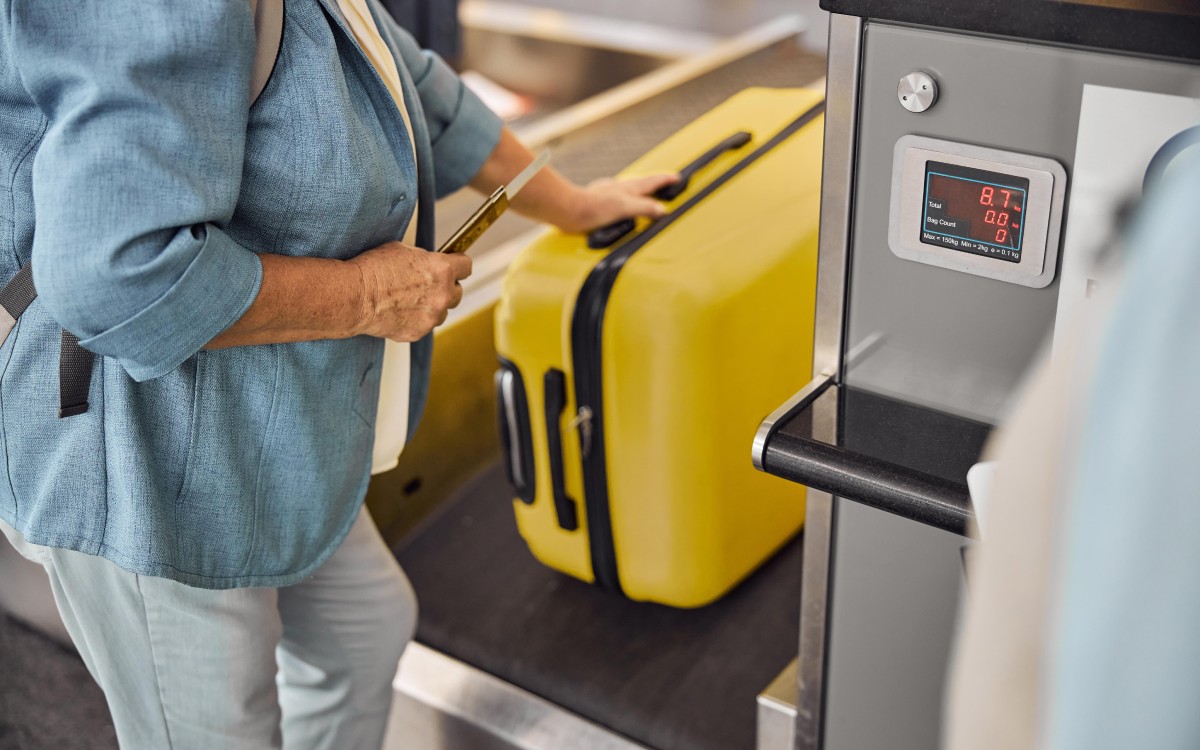
- Weigh your bags at home using a digital luggage scale, and leave some buffer for minor variations.
- Consider distributing weight between bags if your allowance is based on pieces.
- Explore pre‑paid extra baggage options on the airline’s website, which are often cheaper than airport rates.
- If you travel frequently, consider joining a frequent flyer programme or co‑branded credit card that offers extra baggage benefits.
- Pack multi‑use clothing and travel‑sized toiletries to keep weight down.
If you find yourself overweight at the check‑in counter, you can sometimes reshuffle items into your cabin bag, provided you stay within the cabin allowance.
Practical Tips for a Smooth Experience
To turn baggage rules from a headache into a simple checklist, keep the following in mind:
- Read your ticket or booking confirmation carefully, focusing on the baggage section for each flight.
- Visit the airline’s website close to your travel date, as baggage rules can change over time.
- Factor in connections: a domestic leg connecting to an international flight on the same ticket may have different baggage rules compared with a standalone domestic ticket.
- Use sturdy, lightweight suitcases to maximise how much you can carry within your weight allowance.
- Keep a small foldable bag in your suitcase in case you need extra space on the return journey for shopping.
By understanding how cabin and checked baggage allowances work for both domestic and international flights, you give yourself more control over your journey. With a little preparation, you can move through check in, security and boarding with confidence, without worrying about last‑minute fees or repacking drama.