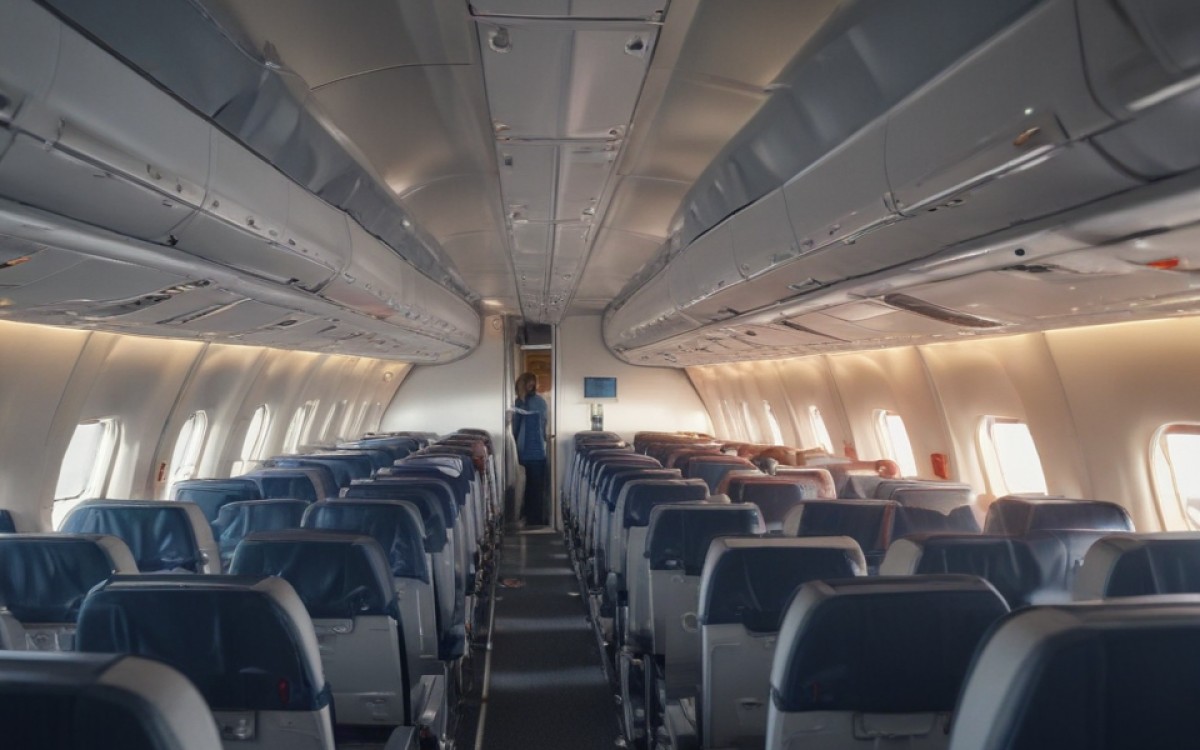
Flying can be an exciting way for senior citizens to explore new destinations, visit family, or simply enjoy a well-deserved holiday. However, planning a flight later in life comes with unique considerations, from mobility assistance and seating comfort to airline policies and medical requirements. With a few simple strategies, you can make air travel smooth, safe, and enjoyable, ensuring your journey is as stress-free as possible.
Plan Ahead for Comfort and Convenience
Early booking often provides access to preferred seats, quieter sections of the aircraft, and sometimes discounted fares for senior travellers. By planning ahead, you also allow ample time to arrange additional services such as wheelchair assistance, special meals, or priority boarding, which can make the journey significantly more comfortable.
Many airlines offer dedicated services for seniors, including dedicated counters at the airport and customer support to answer queries about mobility, luggage, or connecting flights. Calling the airline directly or using their senior-friendly online portal can help you access these benefits efficiently.
Choose the Right Airlines
Selecting the right airline can make a substantial difference in your travel experience. Look for carriers that are known for excellent customer service, comfortable seating, and easy boarding procedures. Some airlines also provide special discounts or perks for senior travellers, including extra baggage allowance or priority boarding.
It’s also worth checking the airline’s policies regarding medical assistance, in-flight amenities, and cancellation flexibility. Being familiar with the airline’s services allows you to make informed choices and ensures that any special requirements are met without last-minute stress.
Consider Flight Times and Duration
For senior citizens, shorter flights or direct routes are often preferable. Long-haul journeys with multiple layovers can be exhausting and increase the risk of fatigue or discomfort. Early morning flights may help avoid crowded airports, while mid-day flights can provide a more relaxed travel experience.
Additionally, consider the time zones of your departure and arrival points. Adjusting your schedule to account for jet lag, meal times, and rest periods can help make the journey smoother and less tiring. Choosing flights strategically ensures you arrive at your destination feeling refreshed rather than drained.
Seating Matters
Comfortable seating is a key factor for senior travellers. Window seats provide support and a view to relax during the flight, while aisle seats offer easier access to the lavatory. Some airlines offer extra legroom or premium economy options that can make a long flight much more comfortable.
If you have mobility concerns or health conditions, consider requesting seating that is closer to the front of the aircraft for quicker boarding and deplaning. Airlines are generally accommodating when requests are made in advance, so don’t hesitate to ask for the most suitable seating arrangement.
Health Considerations
Before booking a flight, you should assess your health and consult a doctor if necessary. Some airlines require medical clearance for travellers with certain conditions or those needing supplemental oxygen. Carrying essential medications in your hand luggage, along with any relevant medical documents, ensures that you can manage your health during the journey.
It’s also a good idea to check whether the airline provides onboard assistance for medical needs. Many carriers offer guidance for travellers with chronic conditions, helping you feel secure throughout your flight.
Mobility Assistance and Special Services
Airports and airlines provide a variety of services to make air travel easier for seniors. Wheelchair assistance, dedicated boarding lanes, and porter services for luggage can significantly reduce physical strain. Booking these services ahead of time ensures availability and smooth handling at the airport.
Additionally, some airlines offer priority check-in or baggage handling for senior travellers, allowing you to avoid long queues and move through security efficiently. Using these services makes the entire travel experience more relaxed and manageable.
Pack Smart and Light
Packing strategically is crucial to make air travel easier. Use lightweight luggage with wheels and easy-to-grip handles. Organise essential items, such as medications, documents, and personal comfort items, in a separate carry-on bag for easy access.
Avoid overpacking to reduce the physical strain of handling luggage. Airlines often provide assistance for seniors with heavy bags if requested in advance, so don’t hesitate to inform them of any special needs. Keeping luggage manageable allows you to focus on enjoying your trip rather than worrying about logistics.
Plan for Airport Navigation
Airports can be overwhelming, especially for first-time or infrequent travellers. Familiarising yourself with airport layouts, terminal maps, and security procedures in advance can reduce stress. Arriving early allows ample time for check-in, security checks, and boarding, which is particularly important for senior travellers who may require extra time to move through busy areas.
Many airports provide shuttle services, senior assistance counters, or dedicated seating areas to make navigation easier. Knowing what to expect and using available services ensures that the airport experience is as smooth as the flight itself.
Consider Travel Insurance
Travel insurance is an essential part of any trip for senior citizens. It provides coverage for medical emergencies, trip cancellations, and lost luggage. Many insurance providers offer specialised plans for seniors, which take into account pre-existing conditions and other health considerations.
Having insurance in place gives peace of mind, allowing you to enjoy your journey without worrying about unexpected events. Some airlines also require proof of insurance for certain international flights, making it a practical necessity.
Flexibility and Booking Options
Flexibility in your travel plans can make a big difference. Look for airlines that offer refundable tickets or easy rescheduling options, especially in case of sudden health concerns or emergencies. Many carriers also allow online check-in and seat selection, which can save time and reduce physical strain.
Booking flights well in advance and taking advantage of airline apps or senior-friendly portals ensures that your travel experience is smooth from start to finish. Flexibility in booking also helps you manage costs and make changes without added stress.
Final Thoughts
Booking flights as a senior citizen doesn’t have to be complicated. By planning ahead, choosing the right airline, considering flight times, seating comfort, and medical needs, you can make air travel enjoyable and stress-free. Utilising special services and opting for travel insurance ensures that your journey is safe and comfortable. With these tips, you can focus on the excitement of your destination rather than the challenges of the journey.