Travelling with children brings a unique set of considerations, and baggage allowances are among the most important. Many airlines follow specific policies for infants and young passengers that differ from adult rules, which can affect how much you can carry and how you pack. Being aware of these guidelines helps avoid confusion at the airport and ensures a smoother journey. This guide breaks down essential baggage policies for children in a clear and practical manner.
How Baggage Allowances Are Assigned to Child Passengers
Most domestic carriers assign baggage allowances based on the fare type purchased rather than the passenger’s age. A child who has been booked on a paid seat — which is mandatory for children aged two and above — typically receives the same checked baggage allowance as an adult travelling on the same ticket class. This means that if an adult on an Economy fare is entitled to 15 kg of checked luggage, a child booked on the same fare type is likely entitled to the same amount.
Where things differ is for infants — children below the age of two who travel on a lap ticket without an assigned seat. Since no full fare is paid for an infant, the checked baggage allowance is reduced, often to around 10 kg. It is worth noting that this varies between airlines, so confirming directly at the time of booking is always advisable.
Carry-On Baggage: What Children Are Typically Permitted
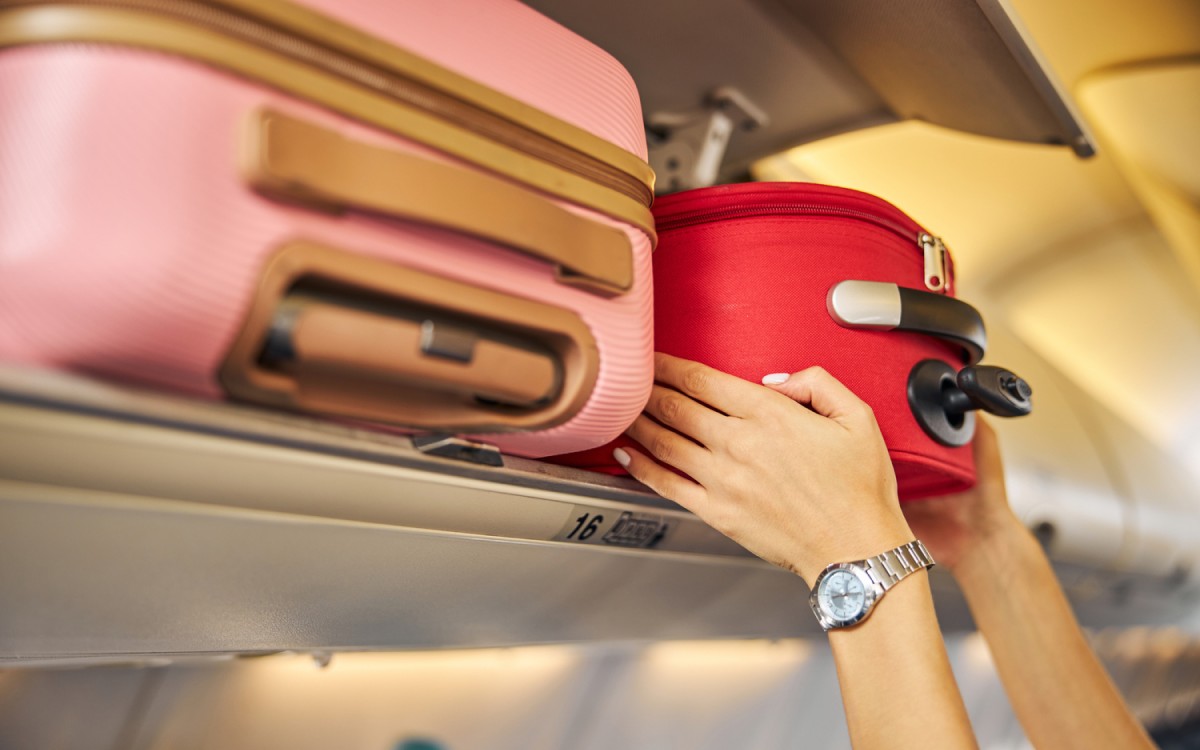
For children travelling on a paid seat, carry-on baggage entitlement generally mirrors that of an adult. A cabin bag within the prescribed weight and dimension limits — typically 7 kg and fitting into the overhead compartment — is standard. Some airlines permit a small personal item in addition to the cabin bag, such as a handbag or small backpack.
Infants on lap tickets do not usually receive a separate carry-on allowance, though most airlines permit parents to bring a reasonably sized nappy bag or diaper bag into the cabin. This is treated as an exemption rather than a formal allowance, and it is generally understood to contain items needed for the infant’s care during the flight, such as nappies, feeding supplies, and a change of clothes.
Special Items That Are Typically Exempt from Standard Allowances
One of the most practical aspects of travelling with young children is that certain essential items are often carried free of charge, outside of the normal baggage limits. Strollers and prams are among the most commonly exempted items. These are usually checked in at the gate or at the check-in counter and travel in the aircraft hold at no additional cost, regardless of the passenger’s checked baggage allowance.
Child car seats are another item that many airlines permit to be checked in free of charge, particularly when travelling with a young child. This policy is especially relevant for families who plan to hire a vehicle at their destination and want to use their own car seat rather than relying on one supplied by a rental company.
Portable cots or baby bassinets, feeding equipment, and medical supplies required for a child with specific health needs also often fall under exemptions. However, medical items may require advance notification and documentation, so it is best to inform the airline when booking.
Does the Type of Fare Affect a Child’s Baggage Entitlement?
Yes, significantly. Budget-friendly or promotional fare classes on low-cost carriers often come with minimal or no included baggage, and this applies equally to child passengers. On such fares, both adults and children may need to pay separately to add checked luggage to their booking. Conversely, full-service fare classes typically bundle checked baggage as standard.
Parents who are accustomed to flying on full-service airlines may be caught off guard when travelling on a budget carrier for the first time with their children. Reading the fare conditions at the point of booking, rather than assuming the same rules apply across all airlines, saves both confusion and unexpected costs at the airport.
Pooling Baggage Allowances Within a Family Booking
Several domestic airlines permit passengers booked on the same itinerary to pool their baggage allowances. For a family of four — two adults and two children — this can be a practical arrangement, since children’s luggage is rarely packed separately from the family’s overall load. Rather than being limited to one bag per person, pooling allows the total weight to be distributed across however many checked bags the family finds convenient.
This policy is not universal, and its availability depends on both the airline and the fare class. It is worth checking this specifically when booking, particularly for larger families who travel with significant amounts of baggage.
Travelling with Infants: What the Lap Ticket Policy Means in Practice
A lap ticket, also referred to as an infant ticket, is issued for children below the age of two who travel without an assigned seat, sitting on a parent’s or guardian’s lap throughout the flight. On domestic routes, this ticket is available at a fraction of the adult fare — usually a nominal fee — and does not include a seat.
From a baggage perspective, parents travelling with an infant on a lap ticket should be aware that the infant’s checked allowance, though limited, is still an official entitlement. The airline will formally record this on the booking, and it will appear on the boarding pass or booking confirmation. Parents should not assume that the infant’s allowance is simply absorbed into their own; it is a separate entitlement that adds to the total the family can check in.
Practical Tips for Managing Baggage When Travelling With Children
Packing efficiently matters more when children are involved. Here are a few practical considerations that can make the process smoother:
- Confirm allowances before arriving at the airport: Each airline publishes its baggage policy on its website, often with a dedicated section for infants and children. Reviewing this at the time of booking, rather than on the day of travel, avoids surprises.
- Tag prams and car seats clearly: Since these items are often checked at the gate, attaching a luggage tag with the family’s contact details prevents mix-ups on the other end.
- Carry essentials in the cabin: For flights with young children, having nappies, a change of clothes, snacks, and any medication in the carry-on ensures that the journey remains manageable even if there are delays.
- Weigh bags before leaving home: Families travelling with children often underestimate how quickly luggage adds up. A handheld luggage scale is a worthwhile investment for frequent travellers.
- Book early for better fare options: Higher fare classes, which often include more generous baggage allowances, are more readily available when booking in advance. Waiting until close to the departure date tends to leave only the more restrictive fare options.
Baggage policies for children are not a one-size-fits-all matter. They vary based on age, ticket type, fare class, and the specific airline being used. The rules around exempt items such as prams and car seats add a layer of flexibility that many families do not fully take advantage of. A little preparation before travelling — specifically, reading the baggage terms that apply to your booking — goes a long way towards ensuring that the journey itself is as smooth as the destination is rewarding.