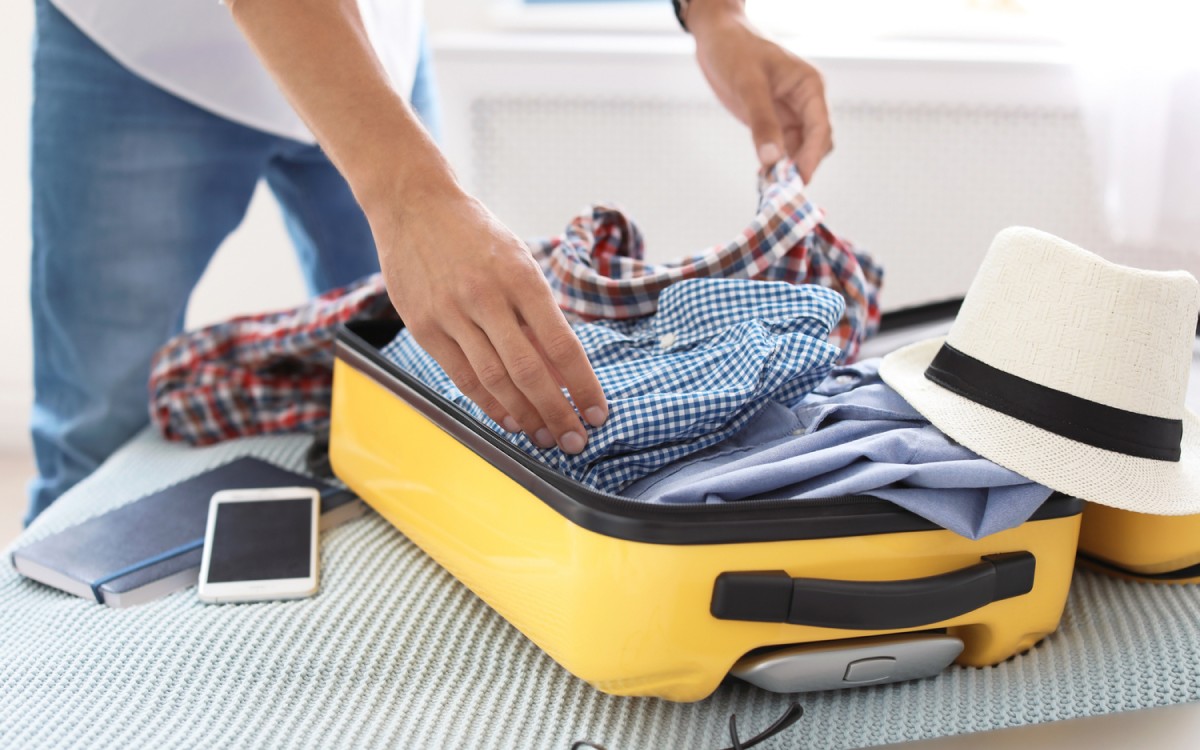
Airline baggage fees have become one of the most frustrating parts of modern travel. What starts as an affordable ticket can quickly become expensive once excess luggage charges are added at check-in. The good news is that with some planning and smart packing habits, it is entirely possible to avoid those charges altogether. This guide walks you through practical, no-nonsense ways to travel light and keep your baggage costs under control every time you fly.
Know Your Airline’s Baggage Policy Before You Pack
Every airline has its own rules around baggage — weight limits, size restrictions, and the number of bags allowed in each fare class. These details vary significantly, even among carriers operating on similar routes. Before you start packing, visit the airline’s website and check the specific allowances for your fare type.
Pay close attention to the difference between cabin baggage and checked baggage limits. Many budget airlines in particular have strict cabin bag size and weight rules, and exceeding even by a small margin can result in fees at the gate. Some airlines also charge separately for checked baggage, so knowing this before booking can help you choose the right fare — or the right airline — from the start.
Weigh Your Bags at Home
One of the simplest habits that frequent travellers swear by is weighing their luggage at home before heading to the airport. A basic digital luggage scale costs very little and can save you a significant amount in overweight baggage fees.
Weigh each bag fully packed, not just the suitcase on its own. If you are close to the limit, remove items rather than risk paying fees. It is also worth remembering that airlines typically measure the total weight of checked bags, not just one, so if you are checking two bags, each must individually stay within the permitted limit.
Choose the Right Luggage
The weight of your suitcase itself counts towards your allowance. A heavy hard-shell suitcase can eat into your limit before you have packed a single item. Lightweight luggage — particularly soft-shell bags and purpose-built travel backpacks — can make a meaningful difference to how much you can carry within your allowance.
When buying luggage, check the empty weight on the product label or manufacturer’s website. A bag that weighs 3 kg empty leaves you considerably less room than one that weighs 1.8 kg. For shorter trips, a well-organised cabin-sized backpack can often replace a checked bag entirely, saving both fees and time at the airport.
Pack With a List and Stick to It
Overpacking usually comes down to one thing: packing without a plan. Without a list, it is easy to throw in items “just in case” — and those items add up fast.
Before any trip, write down exactly what you need for each day, including clothing, toiletries, and any specific items the trip requires. Then lay everything out on a bed and review it honestly. Anything that does not serve a clear purpose should be left behind. A good rule of thumb is to pack what you think you need, then remove roughly a third of it. Most travellers find they use far fewer items than they originally planned to bring.
Wear Your Heaviest Items on the Plane
This is one of the most practical tricks for managing baggage weight, and it costs nothing. If you are travelling with heavy boots, a thick jacket, or bulky knitwear, wear them on board rather than packing them. Airlines weigh your bags, not what you are wearing.
This approach works particularly well for travellers heading to cooler destinations, where heavier clothing is unavoidable. Layer up at the airport, and once you are on the plane, stow the extra layers in the overhead bin. It may feel a little warm for a short while, but it can meaningfully reduce the weight in your bag.
Use Packing Cubes and Compression Bags
Organising what you pack is just as important as what you choose to pack. Packing cubes help compress clothing and keep your bag tidy, making it easier to see exactly what is in there and avoid accidentally over-packing.
Compression bags take this a step further, squeezing out excess air from bulky items like jumpers and jackets. This reduces volume significantly, though it does not reduce weight. That said, reducing volume means you may be able to use a smaller bag altogether — which can help you stay within cabin baggage size limits and avoid checked baggage fees entirely.
Share Luggage Where Possible
If you are travelling with a companion or as a family, consider sharing checked baggage rather than each person checking a separate bag. Most airlines charge per bag, not per person per kilogram, so consolidating into fewer, fuller bags can reduce the number of bags you need to check.
This requires some coordination, but for shorter trips especially, one well-packed shared bag between two travellers is often all that is needed. Just ensure each packed bag still falls within the individual weight limit.
Ship Items Ahead for Longer Stays
For extended trips or when you genuinely need to bring a large amount of luggage, it is worth comparing the cost of airline baggage fees against shipping your items ahead via a courier service. Depending on the destination and the size of your shipment, this can sometimes work out cheaper — and it means you travel with nothing more than a cabin bag.
This option works especially well for business trips or relocations where specific items are essential but do not need to travel with you on the flight itself.
Buy Toiletries at Your Destination
Toiletries are among the heaviest and bulkiest items most travellers pack — and they are also among the easiest to buy at your destination. Shampoo, conditioner, body wash, and similar products are widely available at supermarkets and pharmacies around the world, often at reasonable prices.
Rather than filling your bag with full-sized bottles, consider packing only what you need for the journey itself, then purchasing the rest on arrival. Alternatively, use solid toiletry bars, which are lightweight, compact, and comply with airline liquid restrictions for cabin baggage.
Pre-Book Baggage Rather Than Paying at the Airport
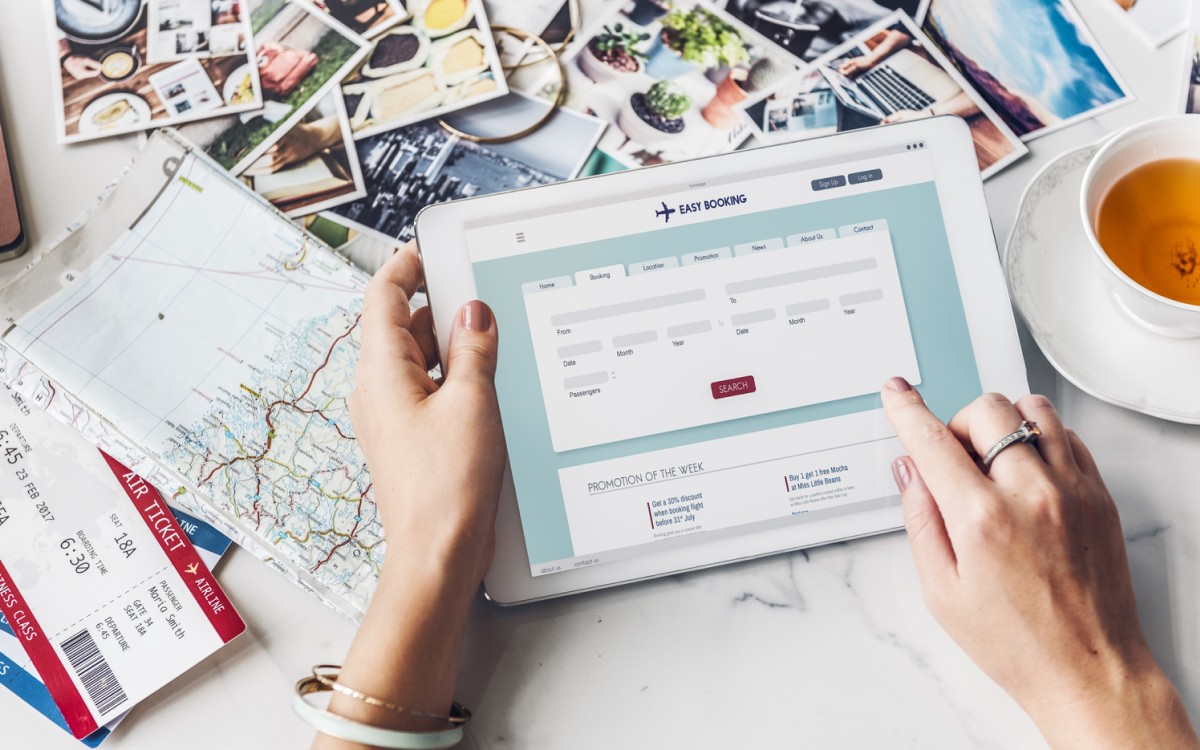
If you know you will need to check a bag, pre-book the allowance when you purchase your ticket or as soon as possible after. Airlines almost always charge more for baggage added at the check-in desk or gate than for baggage booked in advance online.
Checking the baggage fees at the time of booking also helps you make a more informed decision about your ticket. In some cases, a slightly more expensive fare that includes checked baggage works out cheaper overall than a cheaper base fare with separately purchased baggage.
Travelling light is not about doing without — it is about being intentional with what you bring. With the right preparation and a few consistent habits, it is entirely possible to move through airports quickly, sidestep unexpected fees, and enjoy a noticeably more relaxed travel experience from start to finish. Every trip is an opportunity to refine your packing approach, and over time, these habits become second nature.